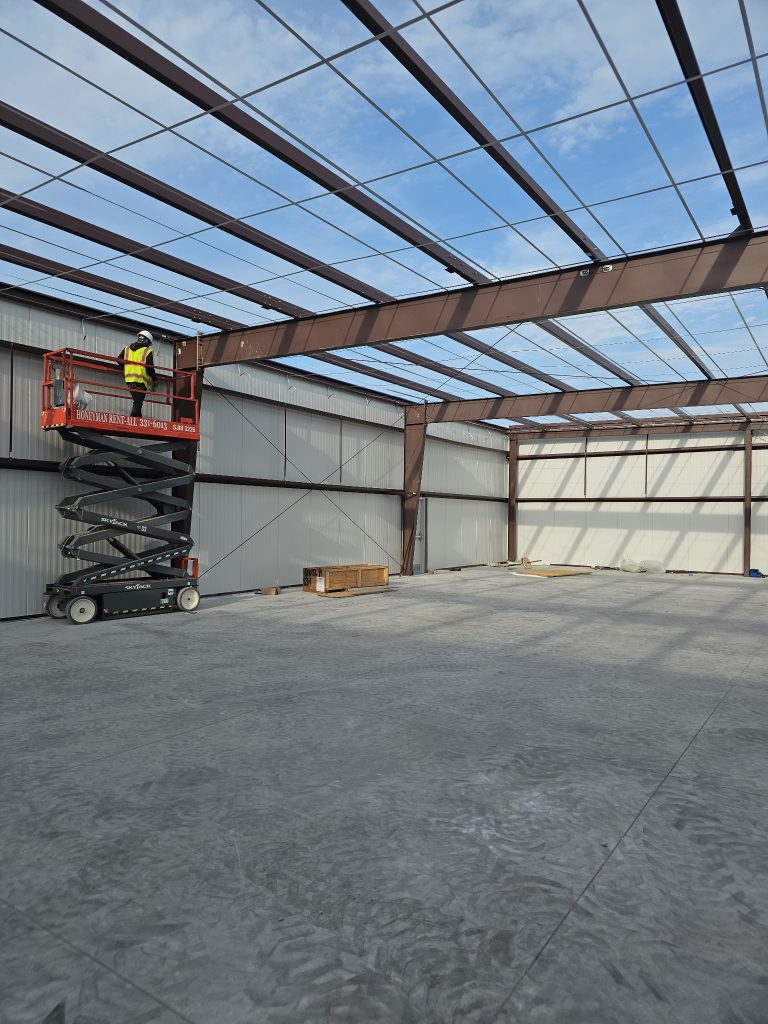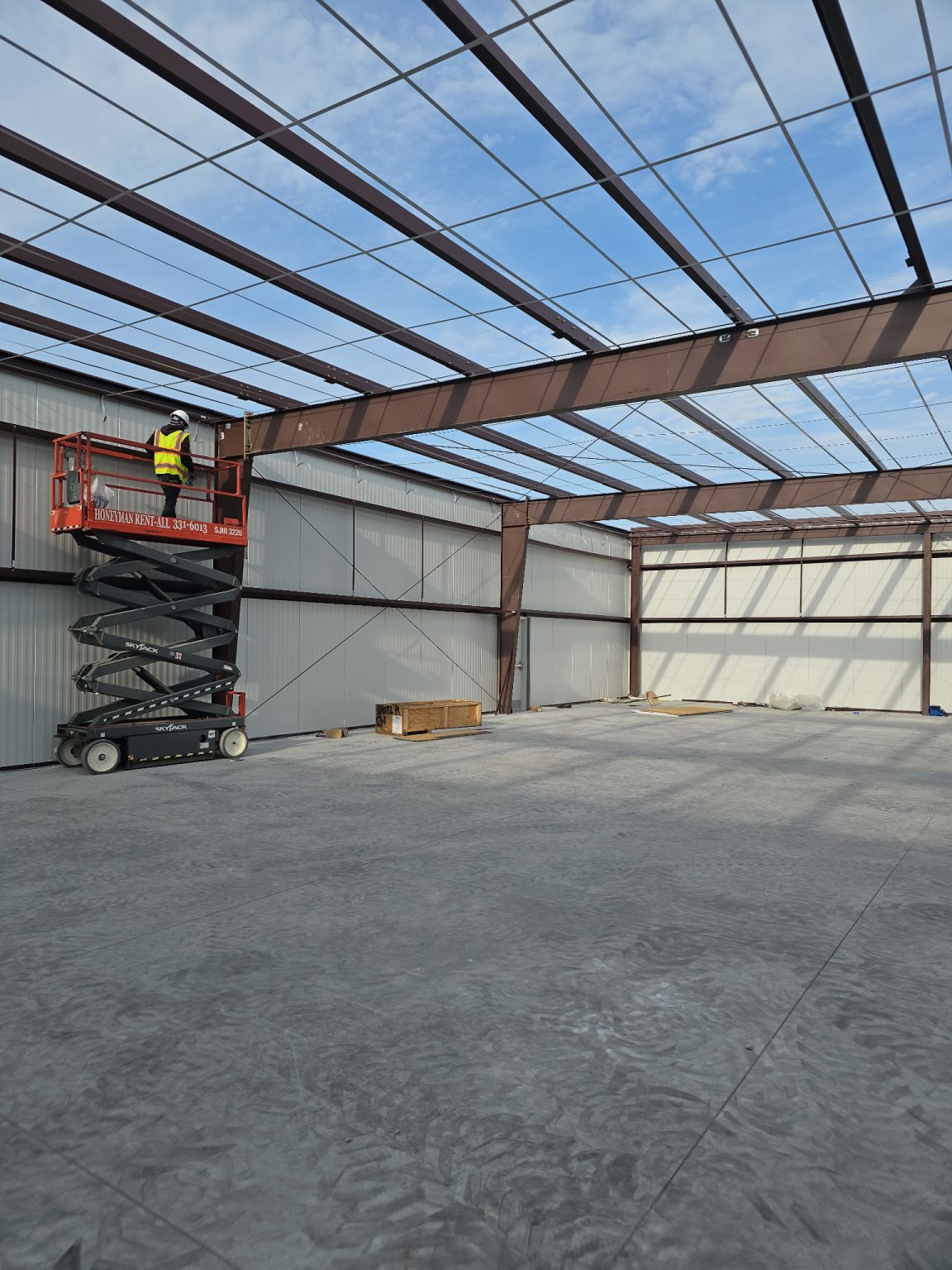
Every steel building project begins with excitement — the drawings, the design, the anticipation of watching steel rise into the sky. But there’s one decision that determines whether your project flows smoothly or hits avoidable roadblocks long before the first beam arrives: choosing the right lot.
At NMG Contracting, we’ve learned that great steel erection doesn’t start with cranes or columns — it starts with where you build. The right site can accelerate your timeline, reduce costs, and minimize headaches. The wrong one can slow everything down, no matter how skilled your crews are.
Here’s how the ground beneath your structure can make or break the success of your entire steel erection process.
1. Site Accessibility: Where Efficiency Begins
A steel building is a logistical dance of cranes, trucks, and manpower. When your site is easy to access, the rhythm flows. When it’s not, everything stalls.
Think about what happens before erection begins: semi-trailers deliver massive steel members. Cranes require stable, level ground and room to swing. Rigging teams need open staging zones for beams and purlins. If your lot sits behind narrow access roads, tight corners, or weak pavement, delivery schedules can unravel. Delays at this stage ripple into every lift and every inspection that follows.
An ideal lot provides wide entry points, turning space for trailers, and solid ground for crane pads. When access is efficient, your steel arrives on time, equipment moves freely, and the erection timeline stays intact.
2. Soil Conditions: The Hidden Factor That Shapes Your Schedule
Before you see steel, you see dirt — and not all dirt is equal. Soil conditions quietly dictate how quickly your foundation can be built, how deep anchors must go, and whether the ground can safely bear the structure’s weight.
Soft or uneven soils require additional compaction, over-excavation, or engineered fill, which can add days or weeks to your start date. Unstable ground can also complicate crane setup and rigging stability during erection.
That’s why we recommend geotechnical testing early. Knowing the soil type upfront allows for accurate foundation design and realistic scheduling. Strong soil equals strong footing — and a faster start to steel erection.
3. Elevation and Drainage: The Difference Between Progress and Pause
Water is one of steel’s greatest adversaries during erection. Poor drainage on a site can turn a project into a sequence of muddy delays, crane shutdowns, and safety concerns.
Ideal lots are slightly elevated or naturally graded to shed water away from work zones. When the ground dries quickly, crews can continue erecting even after rain. When it doesn’t, equipment sinks, materials rust, and schedules slip.
A well-drained site means more productive days, fewer interruptions, and a safer environment for the entire crew.